Self-Storage Rules: Items That Are Restricted, Prohibited, or Allowed
Self-Storage Rules: Items That Are Restricted, Prohibited, or Allowed
When you are clearing out clutter, preparing for a big move, or trying to reclaim your garage, renting a self-storage unit is an excellent solution. However, packing up your belongings involves more than just stacking boxes. Safety regulations, insurance policies, and federal laws dictate what objects can safely reside in a facility.
To help you pack with confidence, we compiled a quick guide to the most common items people ask about storing.
The Quick Guide to Self-Storage Rules
Are you looking for a fast answer? Here is a quick breakdown of whether you can keep these common items in a standard storage facility:
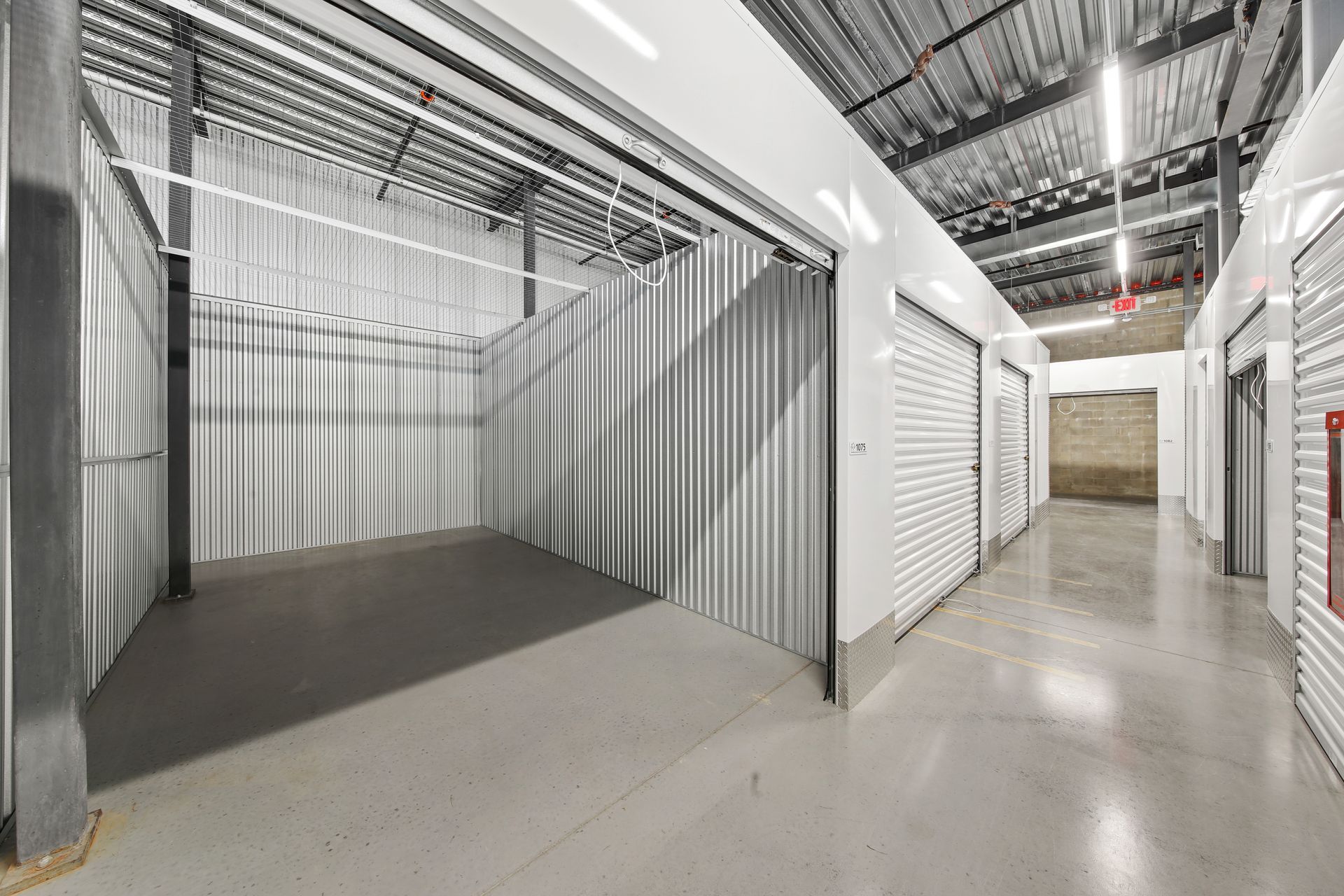
- Cars and Boats: Provided the vehicle is registered, insured, and fits inside a large unit. This same rule applies to smaller watercraft and alternative vehicles. Ultimately, determining if you can store a vehicle in a storage unit comes down to the dimensions of your rental space and specific facility rules.
- Motorcycle: Storing a motorcycle is perfectly fine, provided you drain the fluids or follow the facility's fuel stabilization rules.
- Electronics: To protect the screen and internal components, you should store electronics in a climate-controlled unit.
- Food and Liquids: Storing food and liquids in a storage unit creates significant risks, as perishable items spoil quickly and inevitably attract destructive pests. Similarly, facilities ban alcohol because high-proof spirits are flammable, and extreme temperature swings will quickly ruin the product.
- Weapons and Chemicals: Almost universally, the answer is no due to liability and safety risks of storing weapons. Additionally, storing household cleaners in a facility creates a major hazard, as many products contain corrosive, toxic, or highly flammable chemicals.
Why Cars, Motorcycles, and Boats Need Specialized Storage
Motor vehicles take up a massive amount of driveway and garage real estate. Moving them into a dedicated facility frees up your property immediately.
Vehicle storage requires specific preparation to keep your property safe and comply with facility rules. Contact your local storage facility to discuss their policy on storing a car in a storage unit, as you must show proof of registration and insurance to the facility managers. Most locations also require you to place a drip pan under the engine to protect the concrete floor from fluid leaks.
These same prep steps apply to motorcycles. Motorcycles fit easily into standard drive-up spaces, making them perfect for winter storage. Before storing a motorcycle in a storage unit for the season, clean the bike thoroughly, add a fuel stabilizer to the tank, and hook the battery to a tender if your unit has electrical access. Otherwise, remove the battery entirely to prevent drainage.
Boats require similar care ahead of the off-season. Smaller boats on trailers fit beautifully into larger drive-up units, while larger vessels typically require dedicated outdoor or covered parking spaces. Before deciding to store a boat in a storage unit, remember to winterize the engine and drain the bilge completely before locking up your space.
Why Electronics and Household Appliances Require Climate Control
Electronics are expensive investments, and leaving them in an unverified environment can ruin them forever.
Protecting an electronic investment requires the right environment. When preparing to store a TV in a storage unit, climate control should be your top priority to prevent internal damage. Extreme heat and freezing cold can crack liquid crystal displays or cause internal condensation. For electronics, you must choose a climate-controlled storage unit. These specialized spaces maintain a steady temperature between 55 and 80 degrees Fahrenheit, which preserves delicate wiring. Always store your television upright, preferably in its original box, and never place heavy items on top of the screen.
Why Food and Alcohol Require Home Storage Conditions
It is tempting to use your storage space as an overflow pantry, but doing so creates major issues for you and the facility.
Storing food in a standard storage unit is strictly prohibited. Perishable items spoil quickly and inevitably attract pests, making them unsafe for a storage facility. Non-perishable items like canned goods might seem safe, but extreme summer heat can cause canned goods to burst or spoil rapidly. More importantly, dried foods, grains, and pet kibble act as giant magnets for mice, rats, and insects. Once pests infest your unit, they will chew through your cardboard boxes and ruin your furniture.
The rules around beverages are equally strict. If you plan to store alcohol in a storage unit, your first step should be reviewing local state laws and individual facility contracts to see if it is permitted. Most facilities ban alcohol because high-proof spirits are flammable. Furthermore, fine wines and liquors degrade quickly if they are not kept in highly specific temperature and humidity levels, making standard storage units a poor choice for your collection.
Why Firearms and Hazardous Materials Belong in Dedicated Safety Environments
Safety remains the highest priority for storage operators. Certain items pose a direct threat to the facility and the belongings of other tenants.
For responsible owners, proper weapon storage is paramount, yet standard self-storage is rarely an option. Storage facility policies explicitly ban firearms and ammunition from being stored on-site. These strict restrictions are highlighted in lease agreements due to elevated theft risks and major liability concerns. Furthermore, fluctuating humidity in a standard unit can cause severe rust, permanently damaging a valuable collection. Instead, it is best to secure your firearms in a certified gun safe at home or utilize a specialized, high-security firearm storage facility.
Chemical safety is another area where facilities do not compromise. When packing up kitchens or bathrooms, moving leftover household chemicals poses a major safety risk. Bleach, ammonia, aerosol cans, and chemical cleaners can react to intense heat, leak through cardboard boxes, or create toxic fumes. If these chemicals mix accidentally, they can cause fires or corrode your surrounding items. Dispose of your cleaning supplies or bring them with you to your new home.
How to Identify Your Perfect Storage Space Right Now
Understanding what belongs in a storage facility ensures your items stay safe, clean, and intact. If you are ready to declutter your home or need a secure space for your vehicle, My Neighborhood Storage Center has you covered. We offer clean, secure, and climate-controlled storage units tailored to your specific needs.
Find a My Neighborhood Storage Center today to reserve your unit with complete confidence.