How to Store Furniture in a Storage Unit
How to Store Furniture in a Storage Unit
Moving, downsizing, or renovating your home requires a solid plan for protecting your household items. Learning exactly how to store furniture in a storage unit prevents irreversible damage to your favorite pieces. Because Orlando experiences intense heat and extreme humidity, you need a localized strategy to block moisture, dust, and environmental wear.
Here is a quick checklist for safely storing furniture in a storage unit:
- Clean everything first: Vacuum fabrics thoroughly and wipe down hard surfaces to deter pests and stop mold growth.
- Disassemble large pieces: Remove legs from tables and break down bed frames to maximize your square footage.
- Wrap items correctly: Cover pieces with breathable cotton blankets instead of tight plastic wrap.
- Elevate your belongings: Place wooden pallets or tarps on the floor to block ground moisture.
- Rent a climate-controlled unit: Choose a regulated facility to stop wood from warping, leather from cracking, and mildew from destroying fabrics.
Following these steps when storing furniture helps ensure that your belongings remain in pristine condition, saving you money on expensive replacements and keeping your home furnishings ready for future use.
Prepare Your Pieces for Long-Term Preservation
Thorough preparation serves as your first line of defense against damage. You must clean every single surface before moving anything into a facility. Dust, food crumbs, and pet dander attract insects and cause foul odors in enclosed spaces. Vacuum your upholstery, wipe down hard surfaces with appropriate wood cleaners, and allow everything to dry completely.
In Orlando, the local humidity accelerates spore growth. Storing even slightly damp items encourages aggressive mold growth that ruins fabrics and wood grains within days.
Next, measure your large items. Knowing the exact dimensions of your couches, tables, and dressers helps you select the correct unit size and plan your interior layout effectively.
Disassemble bulky items to maximize the space you have available. Take the legs off your dining tables, break down your bed frames, and remove heavy glass tabletops. Place all screws, bolts, and hinges in small plastic bags. Tape these bags securely to the underside of the corresponding furniture piece. This keeps all hardware together for easy reassembly later.
Choose the Right Wrapping Materials
Many people tightly wrap their belongings in thick plastic shrink wrap. Plastic protects against scratches during transit but traps moisture inside a stationary environment. In a sub-tropical climate, this trapped condensation ruins wood finishes and causes mildew on sensitive fabrics. Instead, use breathable materials like cotton drop cloths, old bedsheets, or professional moving blankets. These fabrics block dust while allowing air to circulate freely around your items.
When wrapping delicate wood, apply a high-quality furniture polish before covering the piece. This adds a protective seal against atmospheric changes. Protect glass components, such as mirrors and tabletops, with specialized heavy cardboard boxes. Wrap the glass in packing paper and secure the edges with foam protectors before sliding the piece into the box.
How to Store a Mattress in a Storage Unit
Mattresses absorb moisture easily and lose their shape if not properly positioned. The most important rule for preserving your bed is to keep it completely flat. Propping a mattress against a wall causes the internal coils and padding to shift downward over time. This creates permanent lumps and completely ruins the sleeping surface.
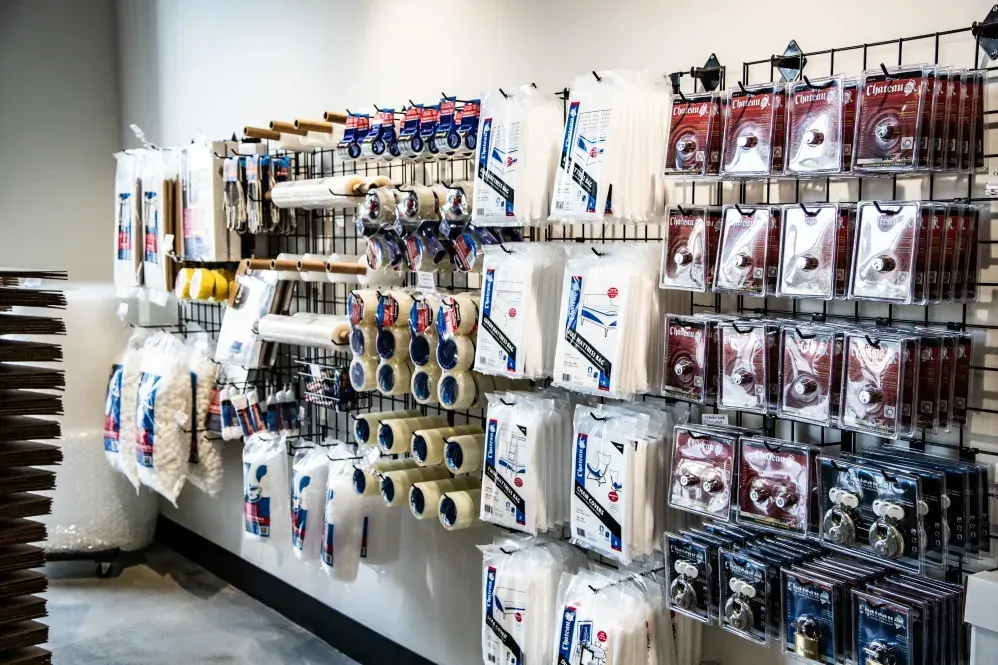
Purchase a specialized mattress bag with micro-perforations. These specialized bags block dust while allowing slight airflow to prevent trapped moisture. Place the wrapped mattress perfectly flat on top of level boxes or a sturdy wooden pallet. Do not place heavy items on top of the mattress, as this can damage the internal structure and void most manufacturer warranties.
How to Store a Couch in a Storage Unit
Couches take up significant space and require careful handling. You always want to leave the piece sitting flat on its natural feet. Storing a couch vertically on its end saves floor space but severely damages the internal wooden frame and permanently crushes the armrests.
When storing a sofa in a storage unit, you must protect the upholstery from stale odors and dust. Sprinkle baking soda over the cushions and let the powder sit for an hour. Vacuum up the baking soda completely, then wrap the entire piece in a breathable cotton cover.
Never stack heavy boxes on top of your upholstered seating. Heavy items create permanent indentations in the cushions and stress the internal springs. If you have removable cushions, wrap them individually in cotton sheets and place them in clean cardboard boxes.
Arrange Your Space for Maximum Protection
Strategic spatial planning protects your belongings from physical damage and environmental hazards. Never push your items directly against the facility walls. Leave a small gap around the perimeter of your space to promote natural airflow. This buffer zone prevents exterior moisture from transferring into your fabrics and wood.
Keep your items off the bare floor. Moisture seeps through concrete floors over time, especially during heavy Florida rainstorms, and can damage the bottoms of your pieces. Place wooden pallets, heavy tarps, or thick plastic sheeting down before moving your items inside.
Start by placing heavy, sturdy items at the back and bottom of your layout. Dressers and solid-wood tables make excellent, stable bases. Avoid stacking heavy boxes on top of soft upholstery or fragile wooden surfaces. Use your vertical space safely to prevent dangerous falling hazards.
Create a center aisle if you have a large space. An accessible walkway allows you to retrieve specific items without rearranging the entire layout. Keep an updated inventory list near the door so you know exactly where everything sits.
Defend Against Pests and Central Florida Humidity
Unregulated environments destroy high-quality materials rapidly. According to the Florida Climate Center, the average morning relative humidity in Orlando frequently hits 90 percent. High humidity swells wood grains, rusts metal components, and ruins electronics. Extreme heat causes adhesives to fail and leather to crack.
Opt for a climate-controlled environment to maintain ideal conditions. Regulated facilities maintain consistent temperatures and manage humidity levels year-round. This environment protects your antiques, solid-wood tables, expensive electronics, and delicate fabrics from the elements.
You must also take proactive measures against pests. Avoid storing food items or plants anywhere near your furniture. Apply a termite-resistant polish to sensitive woods like pine and mahogany. A clean, climate-controlled space naturally deters most insects and rodents.
Secure Your Valuables with My Neighborhood Storage Center
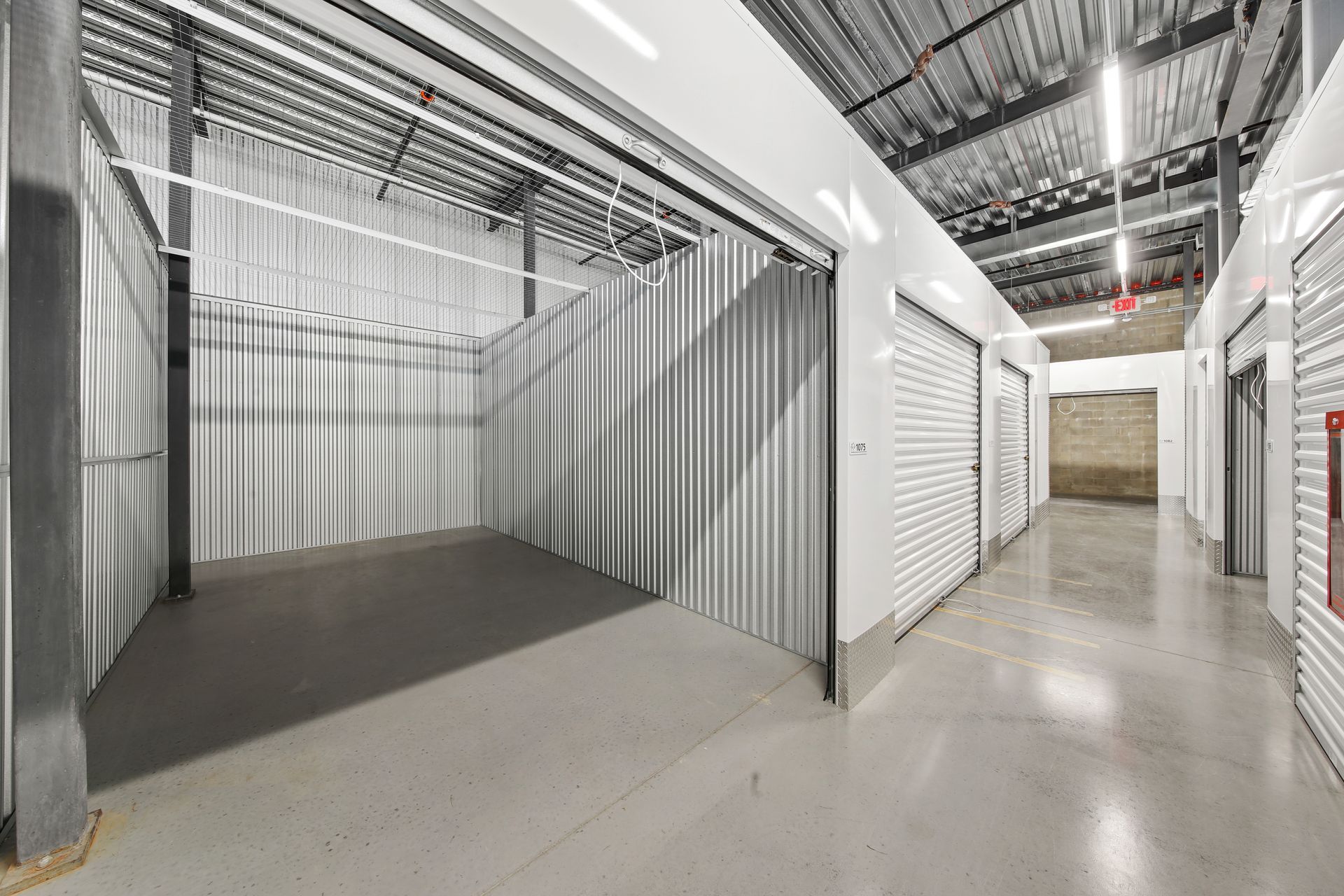
Protecting your favorite household pieces requires the right environment and reliable security. My Neighborhood Storage Center offers clean, well-lit, and highly accessible storage units that fit your specific needs. You receive peace of mind knowing your belongings are protected by advanced security features and stored in properly maintained spaces.
Whether you need a temporary home for a single room or a long-term solution for an entire house, we provide the perfect fit. Contact My Neighborhood Storage Center to reserve your secure, climate-controlled space and keep your items safe until you need them again.